Early Life in Florence County
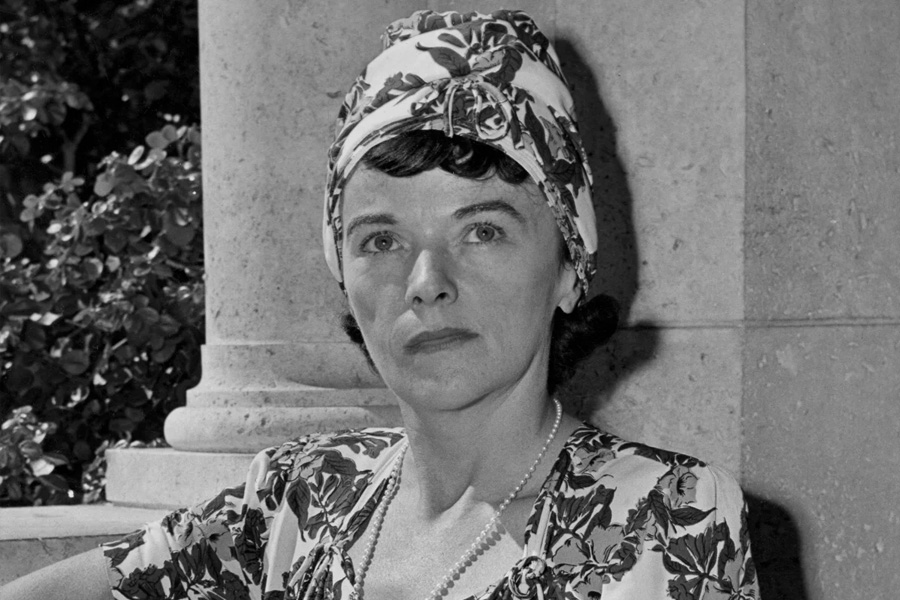
When I trace the life of Eulea Parrott, I see a woman rooted in the red clay and hard rhythms of rural South Carolina. She was born on 22 September 1910 in Lake City, Florence County, South Carolina, a place where family lines ran deep and memory often mattered as much as money. Her name appears in records with small spelling shifts, sometimes as Eulee Parrott Hanna, but the life behind the name stays steady: a woman from a large Southern family, carried through the twentieth century by work, loss, motherhood, and endurance.
Her parents were Lewis Parrott and Fannie Powell Parrott. In a family like hers, identity was not built from headlines or public achievements. It was built from the way one held the household together, how one raised children, and how one survived the long seasons when life gave little and demanded much. I picture her childhood as part open field, part crowded kitchen, part church pew, with the Parrott family tree spreading like an old oak across Florence County.
The Parrott Family Line
The Parrott name appears again and again around Eulea, which tells me her story was never just her own. It was braided into the lives of brothers, sisters, children, and grandchildren. Family records place several siblings in her line, including Myrtle P. Tyler, Bemis Parrott, Wildon O. Parrott, Lonnie W. Parrott, Clinton J. Parrott, Jasper Rolin Parrott, Clyde Elston Parrott, Ervin Parrott, Daisy Cain, and Alton Parrott. Even without every branch fully mapped, the picture is clear enough: this was a family with many limbs, a wide canopy of kin.
The shape of a family like this can be both shelter and burden. There are so many names that each one becomes a thread, and every thread pulls against the others. In Eulea’s case, the family line is especially important because the Parrott name connects her to one of the most infamous descendants in South Carolina history. Yet her own life should not be flattened into that shadow. She came first. Her years came first. Her labor came first.
Marriage, Home, and Motherhood
On 8 October 1947, Eulea married Hennart H. Hanna. Her marriage opened a new stage, and her public memorials and family records link her to Hanna. The surviving data suggests that she was a woman who changed identities frequently, a traditional Southern practice that often conceals a continuous life.
Obituaries call her a retired farmer, which says more than a title. Farming is more than a job. Negotiating weather, soil, seed, and quiet. Work before sunrise, worry after dusk. I see Eulea’s adulthood as long, necessary days. I envision hands that valued function over decoration. I envision meals created with what was available, not ideal. As with a jar of water left in the heat, farming may make time feel delicate and heavy.
Her offspring carried her name into succeeding generations. Best known is serial killer Donald Henry Gaskins Jr., born 13 March 1933, who was hanged in 1991. Since he was one of her sons, Eulea has appeared in true crime conversations and family trees. The fate of a kid does not define a mother. That math is too simple for humans.
She also had Inez Parrott Kirby, born 7 March 1936 and died 10 November 2024. Her obituary lists Eulea as her mother and displays a long familial line. Another example of the family’s work ethic is Inez’s time at Campbell Soup in Sumter and later as a caretaker. Work is typically hereditary like eye color in certain families.
Donald Gaskins and the Weight of Public Memory
Any Eulea Parrott account will mention Donald Gaskins. Her son’s crimes tarnished the family name. He is one of South Carolina’s most renowned criminals, which has tarnished his mother.
I still think the scale should be evident. Eulea wasn’t his violence narrative. She lived before, beside, and after it. She was a mother from another century, with different trials and choices. The public remembrance of a kid can be a thunderclap, but the parent’s life is frequently quieter. Eulea’s record lacks glamour and power. It depicts a woman bound to land, family, church, marriage, and rural life.
The Last Years
Eulea died on 26 February 1992 in the Florence County and Scranton area, at the age of 81. She was buried at Browns Chapel Cemetery. By then, her life had already become part of the region’s deep local memory. The surviving records point to a woman who had outlasted the century into which she was born, a woman whose life began before television, before the civil rights movement, before many of the modern structures people now take for granted.
Her obituary-style descriptions mention her as a widow of Hennart H. Hanna and as a retired farmer, with a church connection to Hanna Chapel Pentecostal Holiness Church. Those details matter because they show the shape of her world. A church, a farm, a family, a cemetery. That is the architecture of many Southern lives, and Eulea’s was built inside it.
Family Members and Their Place Around Her
When I look at the family members tied to Eulea Parrott, I see a circle rather than a straight line.
Lewis Parrott and Fannie Powell Parrott stand at the root, the original pair from which the later generations grew. The siblings linked to her, including Myrtle, Bemis, Wildon, Lonnie, Clinton, Jasper, Clyde, Ervin, Daisy, and Alton, form the middle branches of the family tree, each likely carrying the same regional memory and inherited struggle. Hennart H. Hanna marks the later adult life, a marriage that joined her old family identity to a new household name. Donald Gaskins represents the most publicly visible child, though in the most painful way. Inez Kirby carries the family forward in a more ordinary and therefore more human way, through work, care, and longevity. This is how families persist. Some names thunder, others whisper, and most do both at once.
FAQ
Who was Eulea Parrott?
Eulea Parrott was a woman born in 1910 in Florence County, South Carolina, later known also as Eulee Hanna after marriage. She lived a rural life, worked as a farmer, and belonged to a large Southern family.
Who were her parents?
Her parents were Lewis Parrott and Fannie Powell Parrott.
Was she connected to Donald Gaskins?
Yes. She was his mother. Donald Henry Gaskins Jr. was one of her children and later became widely known for violent crimes.
Was Eulea Parrott married?
Yes. She married Hennart H. Hanna on 8 October 1947.
Did she have other children?
Yes. One clearly documented daughter was Inez Parrott Kirby, who lived until 2024. The family record also connects her to several other children and relatives through the Parrott line.
What did she do for work?
She was described as a retired farmer. That suggests a life built around agricultural labor and rural household responsibilities.
Where is she buried?
She is buried at Browns Chapel Cemetery.
Why is her name still remembered?
Her name persists because of family genealogy, local memorial records, and the notoriety of her son Donald Gaskins. Even so, her own life remains a distinct story of rural Southern endurance.