Roots in Bristol: Her Formative Years
I have always marveled at how certain lives anchor entire histories. Hannah Callowhill Penn stands as one such figure. Born on February 11 1671 in Bristol England she entered a world of Quaker merchants. Her parents Thomas Callowhill and Hannah Hollister raised nine children in a prosperous linendraper and button making household. By her teenage years she alone survived. This loss forged her into the sole heir. She absorbed practical skills in accounting management and trade from her father. Those lessons would later steer vast colonial fortunes. Her grandfather Dennis Hollister had donated land for the Bristol Quaker meetinghouse. Faith and commerce intertwined in her blood like sturdy threads in a sail.
A Quaker Union: Marriage and Transatlantic Voyage
At age 25 she wed William Penn the 52 year old founder of Pennsylvania. Their marriage on March 5 1696 unfolded in a plain ceremony at Quakers Friars Bristol. It blended two Quaker souls across a notable age gap. Three years later in 1699 the couple sailed for the colony. Hannah pregnant with their first child endured a three month voyage. They settled in Philadelphia and at the grand Pennsbury Manor in Bucks County. I picture her there managing household affairs with the same precision she learned in Bristol shops. The union produced nine children in roughly 12 years. It supplied not just heirs but the steady hand Pennsylvania needed.
Motherhood and Loss: Raising Nine Children
Hannah Callowhill Penn managed high-stakes motherhood. Five of the nine kids died young. However, survivors maintained a dynasty. Her fortitude amazes me. All family members are introduced here.
Her husband William Penn (1644–1718) created the province on religious tolerance and harmony. Their partnership survived debt and transatlantic pressures.
A lost 1697 daughter was unnamed. Philadelphia welcomed American John Penn on January 28, 1700. He died in 1746 with proprietary shares despite never marrying. Born March 20, 1702, Thomas Penn lived till 1775. Colony governance consumed him after marrying Lady Juliana Fermor. November 7, 1704-February 17, 1751 Margaret Penn or Margaretta died. Thomas Freame, Barclays Bank founder’s nephew, married her. Their line influenced banking and land. Richard Penn Sr. was born January 17, 1706, and died February 4, 1771. He influenced proprietary affairs and fathered lieutenant governors. Dennis Penn, born February 26, 1707, died before 1727. Hannah Margarita Penn died months after arriving in 1708. Family accounts conclude with Louis Penn, however details are scarce. Never became an adult.
Parents grounded her. Her father Thomas Callowhill taught business until his death in 1712. Hannah Hollister, her mother, offered Quaker morals. Together they exemplified faith-based commerce.
Grandchildren built on it. Sir William Lowther of Marske married later. Marske lines threaded English estates. Margaret Penns branch produced Philadelphia Hannah and Thomas Freame. From Thomas Penn’s descendants came John, Granville, and Sophia. The grandkids gained land and social status on both sides of the Atlantic.
Great-grandchildren extended reach. Genealogies include William Granville Thomas Dawson William Stuart Mary Stuart and Sophia Penn. Each name represents a Penn-influenced branch for generations. This family embodies colonial ambition and endurance.
From Wife to Leader: Governing Pennsylvania
William Penn suffered strokes in 1712. Hannah Callowhill Penn stepped forward as acting proprietor. She managed from England through letters to deputies. For six years she aided her husband. After his death on July 30 1718 she ruled independently for eight more years until 1726. She oversaw land grants. She maintained diplomacy with the Lenape people honoring treaties with careful distributions. A border dispute with Marylands Lord Baltimore tested her resolve. She preserved Philadelphia and key territories despite faulty surveys. Her merchant training proved invaluable. She paid off substantial debts often drawing on Callowhill family resources. She settled legal challenges including an unsuccessful contest from stepson William Penn Jr. In total she directed affairs from 1712 to 1726 a span of 14 years. Pennsylvania knew stability under her watch.
Financial Mastery and Colonial Triumphs
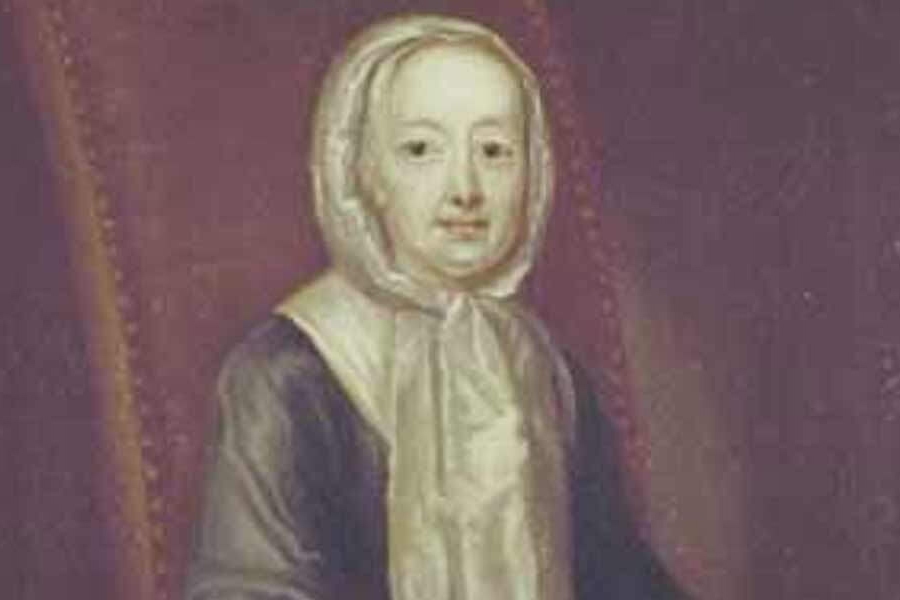
Finance formed the backbone of her work. William Penn left debts and disputes. Hannah Callowhill Penn stabilized them with accounting precision. She issued instructions on grants and collections. She supplemented colony funds from her own inheritance when needed. Achievements stack high. She earned recognition as the first woman to wield formal political authority in what became the United States. She preserved the proprietary charter. She upheld Quaker values of peace. Posthumously she and William received honorary United States citizenship in 1984. Callowhill Street in Philadelphia bears her name. Pennsylvania issued proclamations such as Hannah Callowhill Penn Day. Portraits now grace state offices during observances.
A Life in Dates: Timeline of Milestones
Numerical patterns show her travels. Bristol birth, February 11, 1671. 1685–1686: solitary surviving kid. 5 March 1696 marriage. Lost first child 1697. Travel to Pennsylvania in 1699. January 28 1700 John Penn arrives. March 20, 1702 Thomas Penn comes. November 7, 1704 Margaret Penn is born. January 17, 1706 Next, Richard Penn Sr. February 26, 1707 Birth of Dennis Penn. Short life of Hannah Margarita Penn. 1712: father dies, William strokes. July 30 1718 William Penn dies. She rules totally from 1718 till 1726. She dies of a stroke at 55 in London at son John’s residence on December 20, 1726. William and Burial unite at Jordans Friends Burial Ground in Buckinghamshire. 1984 honorary citizenship. Pennsylvania dedicates a day and portrait to her in 2013. Pennsbury Manor and other historical buildings celebrate her 355th birthday on February 11, 2026.
Echoes in Modern Times
Today her story surfaces in fresh ways. In 2026 Pennsbury Manor hosted events around her 355th birthday. Exhibits highlight her closet where she conducted business. Womens History Month brought storytelling sessions on March 28 2026. Social media from historical commissions and museums share her portrait and accomplishments. A mid March 2026 lecture series explored her diplomacy and leadership. These moments keep her legacy vivid reminding us of quiet power in turbulent eras.
FAQ
Who exactly was Hannah Callowhill Penn?
Hannah Callowhill Penn born February 11 1671 and died December 20 1726 served as the second wife of William Penn. She acted as proprietor and de facto governor of Pennsylvania from 1712 until her death. She managed the colony remotely with business skill and Quaker conviction.
How many children did she raise and what became of them?
She and William Penn had nine children. Four reached adulthood: John Thomas Margaret and Richard. Others including Dennis Louis and several infants passed early. Survivors built a network of proprietors and landowners that shaped Pennsylvania for decades.
What family members carried her legacy forward?
Her children Margaret Penn and Thomas Penn produced key grandchildren such as Philadelphia Hannah Freame Thomas Freame John Penn Granville Penn and Sophia Penn. Great grandchildren like William Granville and Sophia Penn extended the lines into banking estates and colonial governance.
What made her financial and political achievements unique?
She balanced massive debts land diplomacy and border conflicts while raising a family. Her merchant background equipped her to issue precise instructions and honor treaties. No other woman held such formal authority in early colonial America.
Why does her story still matter in 2026?
Commemorations for her 355th birthday and Womens History Month events underscore her role as Pennsylvanias first female leader. Her life offers a model of resilience that inspires ongoing discussions of women in power.